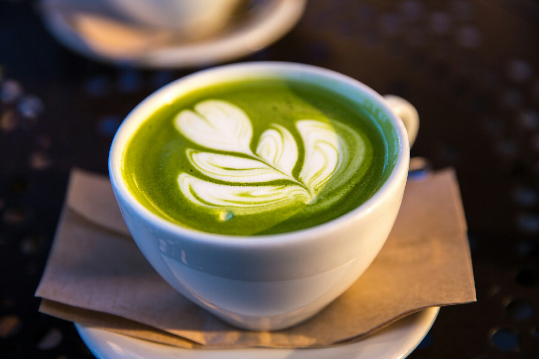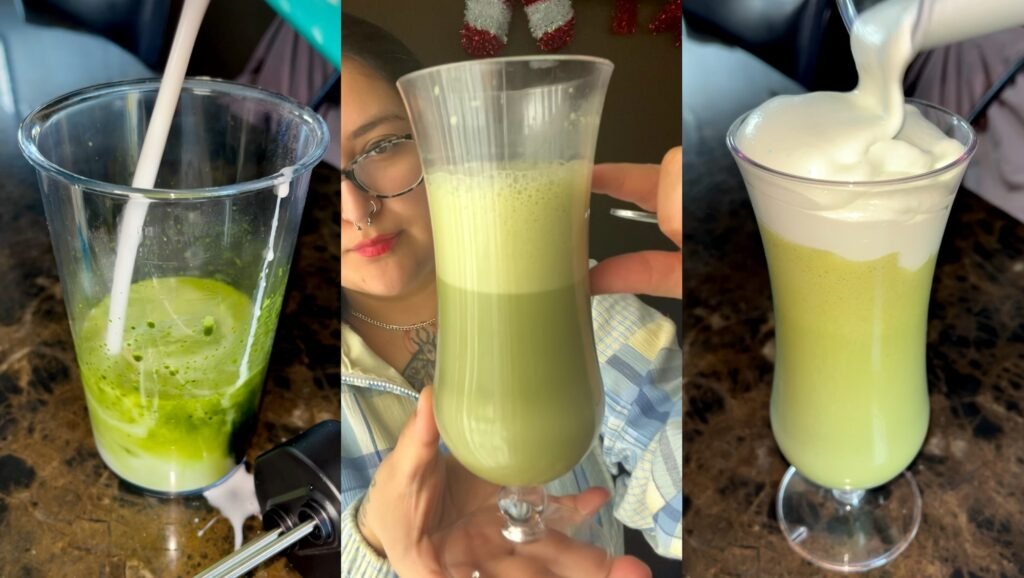
🥛 The milk you choose can completely change your matcha latte.
From thin and light to thick and creamy, neutral to flavorful, every option affects both texture and taste. Whether you like your matcha earthy and bold or smooth and dessert-like, here’s how the most common milks stack up.
Traditional Dairy Milks
Nonfat, 1%, and 2% Milk
These are the most common choices, but they’re also the thinnest. They don’t add much body to matcha, which can make the drink feel a little flat or watery. It works in a pinch, but doesn’t enhance matcha nearly as much as creamier options.
Whole Milk
Whole milk brings more richness and balance. It softens matcha’s natural bitterness and creates a smooth, classic latte texture. A solid choice for hot matcha lattes when you want something comforting and familiar.
Half & Half
If you’re craving extra creaminess, half & half delivers. It creates a noticeably thicker, milkier matcha with a more indulgent feel, especially good for cozy hot drinks.
Heavy Cream
This is the richest option of all. Heavy cream makes an ultra-creamy, almost dessert-style matcha latte. A little goes a long way, but it’s perfect if you want a luxurious, café-style hot matcha.
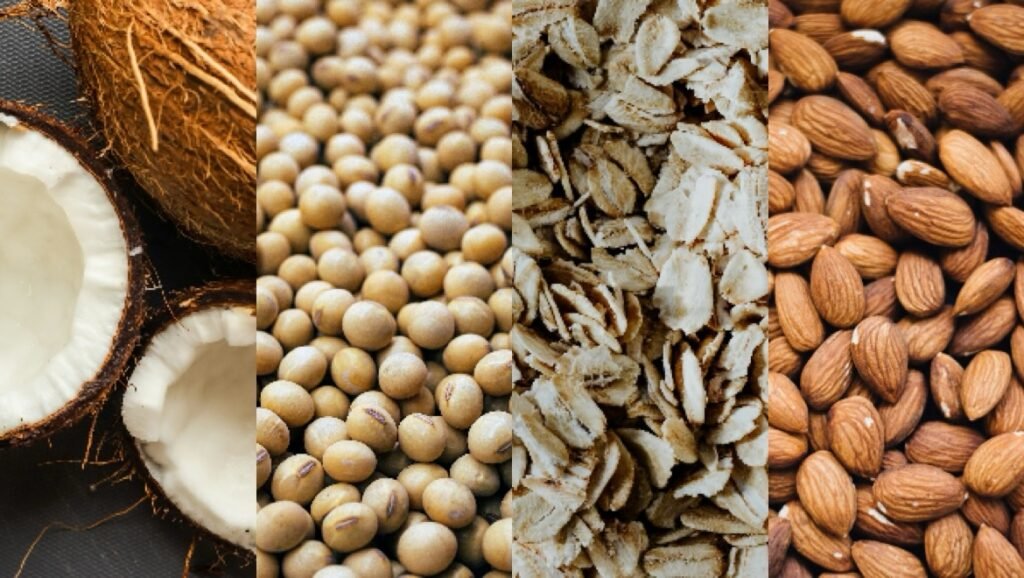
Plant-Based Milk Alternatives
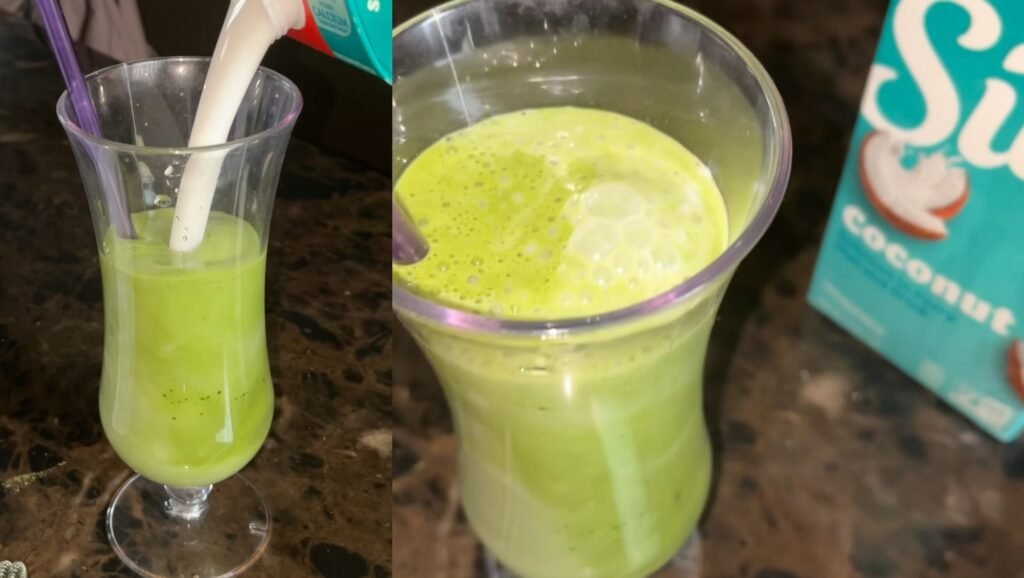
Coconut Milk
Coconut milk is often considered one of the healthiest options, and it adds a naturally creamy texture. The trade-off is flavor. It definitely tastes coconutty, which can either elevate your matcha or overpower it, depending on your preference.
Soy Milk
Soy milk is thick, creamy, and packed with protein. It holds up beautifully with matcha and creates a smooth, satisfying latte. If you want something filling with a neutral-leaning flavor, soy is a great pick.
Oat Milk
Oat milk is one of the creamiest plant-based options and blends effortlessly with matcha. It has a subtle wheaty, oat flavor that pairs well with matcha’s earthiness, making it a favorite for both hot and iced lattes.
Almond Milk
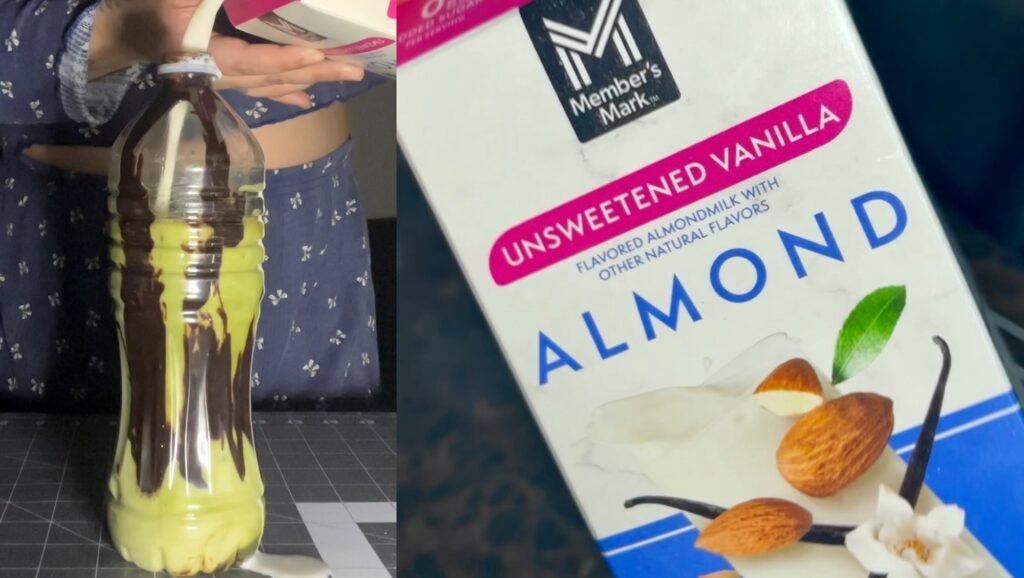
Almond milk is my personal favorite, especially unsweetened vanilla. It’s lighter than oat or soy, but still adds enough creaminess while letting matcha shine. The hint of vanilla and nuttiness works beautifully without overpowering the tea.
(This is almond milk)
Consistency is Key
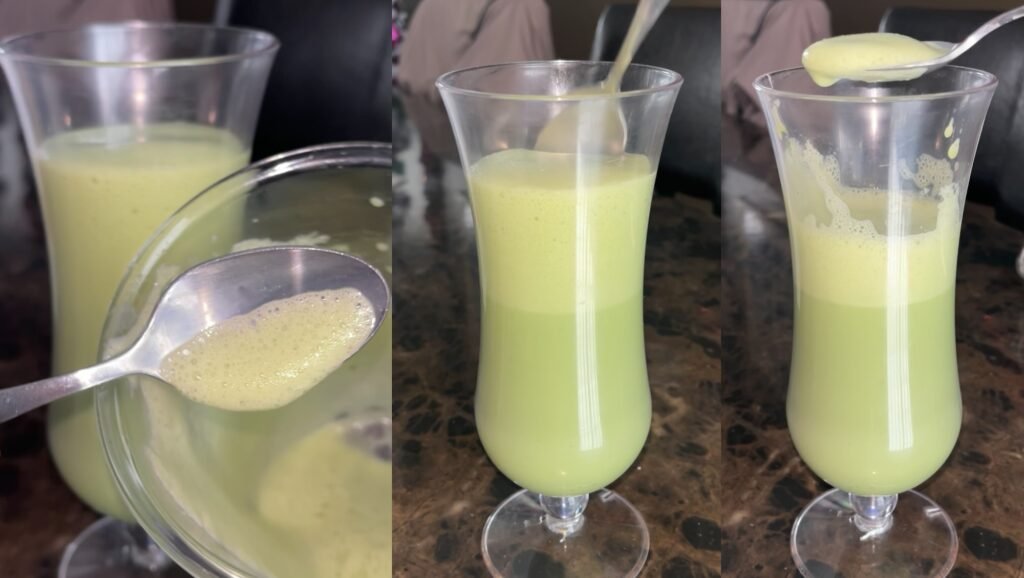
- Different milks also produce very different foam when frothed, which can completely change the matcha experience.
- Lower-fat dairy milks tend to create lighter, airier foam that dissipates quickly.
- Whole milk, Half & Half, and Heavy Cream produce thicker, silkier foam with a more velvety texture.
- Oat and Soy milk froth beautifully, creating dense, creamy foam that holds its shape.
- Almond milk makes a lighter, softer foam that feels delicate rather than fluffy.
- Coconut milk usually produces minimal foam, but adds richness instead.
When frothing matcha directly with milk, choosing the right milk can mean the difference between a thin layer of bubbles and a smooth, café-style foam that elevates every sip.
The Bottom Line
If you want a light, straightforward matcha, traditional low-fat milks will work, but they won’t wow you. For richer, creamier, more flavorful matcha lattes, plant-based options like oat, soy, coconut, and almond milk truly elevate the experience. And if you’re making a hot matcha and want maximum comfort, whole milk, half & half, or even heavy cream are hard to beat.
The perfect matcha latte isn’t just about the tea, it’s about finding the milk that matches your vibe.